Ghipsy Hood: A Retro Display Font for Editorial Design
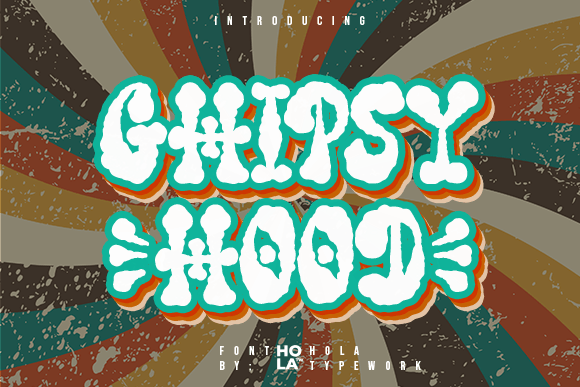
Ghipsy Hood stands out as a distinctive choice among modern Fonts, offering designers a ruggedly retro and delightfully groovy aesthetic that instantly captures attention. For publishers, bloggers, and editorial designers, finding the right typeface is about more than just legibility; it is about establishing a mood that resonates with the reader before they even digest the first sentence. This unique font is deeply imbued with a sense of play and authenticity, making it perfect for projects that require a strong visual identity without sacrificing character. Whether you are designing a lifestyle magazine cover, crafting headers for a personal blog, or creating eye-catching social media graphics, Ghipsy Hood provides the structural flair needed to elevate your content.
Using Ghipsy Hood for Magazine Covers and Blog Headers
When working with Display Fonts, the primary goal is often to create an immediate impact, and Ghipsy Hood excels in this arena by bringing a free-spirited vibe to any layout. For magazine editors and digital publishers, the cover or the main hero image of a blog post serves as the gateway to the content. Using a font that encapsulates retro charm allows you to signal nostalgia, creativity, and approachability simultaneously. The rugged edges and organic curves of this typeface make it ideal for headlines that need to feel handcrafted rather than mechanically produced. By integrating Ghipsy Hood into your header designs, you create a visual hook that encourages clicks and engagement, distinguishing your publication from competitors who rely on sterile, generic sans serif options.
Creating Visual Hierarchy in Ebook Titles and Chapter Openers
In the realm of ebook creation and long-form digital guides, visual hierarchy is critical for maintaining reader interest over hundreds of pages. Ghipsy Hood serves as an excellent tool for breaking up text-heavy layouts, particularly when used for chapter titles, section dividers, or pull quotes. As a Display font, it should not be used for body copy, but its presence in strategic locations can guide the reader’s eye and provide necessary breathing room. When designing a recipe ebook, a travel guide, or a creative workbook, using this font for chapter openers adds a layer of personality that reflects the author’s voice. It transforms a standard PDF into a designed experience, ensuring that the branding remains consistent and engaging from the title page to the final conclusion.
Enhancing Brand Identity in Newsletters and Lead Magnets
For content creators who rely on newsletters and lead magnets to build their audience, consistency in typography is key to brand recognition. Ghipsy Hood offers a unique opportunity to infuse your email marketing and downloadable resources with a distinct personality that feels both authentic and professional. When designing a welcome sequence or a free printable planner, using this font for headings and accent text helps establish a cohesive look that subscribers will associate with your brand. The playful yet rugged nature of the font appeals to audiences interested in lifestyle, wellness, arts, and DIY niches. By incorporating Ghipsy Hood into your design assets, you move beyond basic templates and create a custom feel that increases the perceived value of your digital products.
Pairing Ghipsy Hood with Serif and Sans Serif Body Fonts
One of the most important considerations in editorial design is how well a display typeface pairs with readable body text. Ghipsy Hood, with its intricate details and retro flair, requires a clean and neutral companion to ensure overall readability. For best results, pair this font with a classic serif font for long-form articles or a geometric sans serif font for modern web layouts. The contrast between the organic, groovy lines of Ghipsy Hood and the structured simplicity of a standard body font creates a balanced composition that is easy on the eyes. This pairing strategy works exceptionally well for blog posts, online courses, and digital magazines, where the headline grabs attention and the body text delivers information efficiently. Always test your font combinations across different devices to ensure that the hierarchy remains clear on mobile screens and desktop monitors alike.
Optimizing Readability for Screen and Print Layouts
While Ghipsy Hood is primarily a Display font, its versatility extends to both digital and print mediums, provided it is used at appropriate sizes. For screen-based content such as websites and apps, ensure that the font is large enough to retain its detailed characteristics without appearing pixelated. In print materials like brochures, posters, and packaging design, the texture and weight of the font can add a tactile quality that enhances the physical experience. When exporting PDFs for ebooks or printable guides, check that the font embeds correctly to preserve its integrity across different readers and operating systems. Understanding these technical nuances ensures that your design intentions are preserved, whether the reader is viewing your content on a smartphone or holding a printed magazine.
Leveraging Commercial Licensing for Client Projects and Digital Products
For professional designers and agencies, understanding licensing terms is crucial when selecting Fonts for client work or commercial products. Ghipsy Hood is suitable for a wide range of commercial applications, including logo design, social media graphics, and paid digital downloads. Before using this typeface in a project for a client or in a product you intend to sell, such as a template pack or a branded workbook, verify the specific licensing agreement to ensure compliance. Investing in a premium font with clear commercial rights protects your business and adds value to your deliverables. By choosing a high-quality typeface like Ghipsy Hood, you demonstrate a commitment to professional standards and provide your clients with unique design assets that stand out in a crowded marketplace.
In summary, Ghipsy Hood is more than just a collection of letters; it is a design tool that brings energy, nostalgia, and authenticity to your editorial projects. From blog headers to ebook covers, its ruggedly retro style offers endless possibilities for creative expression. By thoughtfully integrating this font into your workflow and pairing it with complementary typefaces, you can enhance reader engagement and strengthen your brand identity across all platforms.