Slow Comic: A Playful Display Font for Crafters
Slow Comic stands out as a versatile choice among modern Fonts, offering creators a unique blend of whimsy and structure. As a Display typeface, it captures attention immediately, making it an essential tool for anyone looking to add personality to their handmade goods. Whether you are designing labels for small-batch candles or creating digital printables for Etsy, this font brings a lighthearted energy that resonates with customers seeking fun and approachable designs.
Using Slow Comic for Children’s Products and Toy Packaging
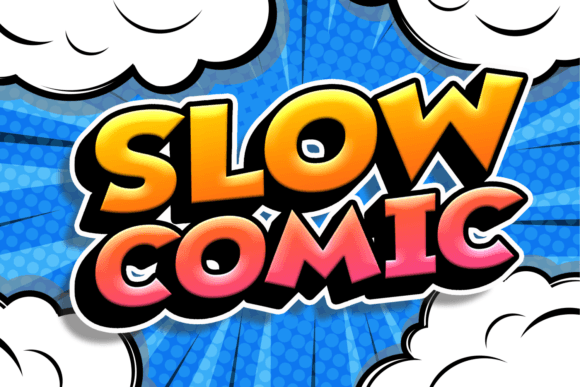
When working with Slow Comic, the immediate appeal lies in its ability to communicate joy and innocence, which is why it is perfectly suited for children’s materials. This Display font embodies a playful aesthetic that aligns seamlessly with toy packaging, kids’ room decor, and educational printables. For crafters who specialize in nursery art or birthday party supplies, integrating Fonts with this specific character can elevate the perceived value of the product. The slightly futuristic yet friendly curves of the letters make it ideal for labeling toy bins, creating name tags for school supplies, or designing headers for activity books. Because the letterforms are distinct and open, they remain readable even when scaled down for small stickers or tags, ensuring that your message is clear to both parents and children.
Designing Engaging Labels for Handmade Goods
In the world of handmade sales, product presentation is everything. Slow Comic serves as a powerful element in Display design, particularly for brands that want to appear approachable and fun. When applied to physical products like soap bars, cookie jars, or artisanal snacks, this font adds a layer of charm that standard serif or sans serif options often lack. Using Fonts with a dynamic personality helps differentiate your brand in a crowded marketplace. For instance, a candle label featuring Slow Comic suggests a scent that is uplifting and cheerful, rather than serious or somber. The font’s balanced weight ensures that it prints clearly on various materials, from kraft paper tags to glossy vinyl stickers, making it a reliable choice for small business owners who need consistency across their product lines.
Creating Fun Invitations and Party Stationery with Slow Comic
Event stationery benefits greatly from the expressive nature of Slow Comic. As a Display typeface, it excels in headlines and titles, making it perfect for birthday invitations, baby shower announcements, and casual gathering cards. Unlike rigid formal scripts, this font invites relaxation and celebration. When paired with complementary Fonts, such as a clean sans serif for body text, it creates a hierarchy that guides the reader’s eye naturally. Crafters using cutting machines like Cricut or Silhouette will appreciate the clean paths of Slow Comic, which reduce weeding time and ensure crisp cuts for cardstock invitations. The font’s lighthearted vibe sets the tone for the event before the guest even arrives, signaling that the occasion will be filled with laughter and good times.
Enhancing Digital Printables and Planner Pages
Digital products require fonts that are not only visually appealing but also highly legible on screens and in print. Slow Comic fits this requirement beautifully within the realm of Display typography. For creators selling printable planners, homeschool worksheets, or organizational charts, this font adds a touch of motivation and fun to mundane tasks. Using Fonts with a friendly demeanor can make daily planning feel less like a chore and more like a creative activity. The slightly futuristic aesthetic of Slow Comic gives modern printables a fresh look, distinguishing them from the overly rustic or vintage styles that saturate the market. Whether used for header titles in a weekly spread or as accent text in motivational quotes, it maintains clarity and style, encouraging repeat purchases from customers who value both function and form.
Pairing Slow Comic with Other Typefaces for Brand Identity
Effective design often relies on contrast, and Slow Comic pairs exceptionally well with simpler typefaces. As a Display font, it commands attention, so it should be balanced with understated Fonts for supporting text. A common and effective strategy is to pair it with a neutral sans serif font for product descriptions or ingredient lists on labels. This combination ensures that the playful personality of Slow Comic shines without compromising readability. For logo design, using this font for the brand name while keeping taglines in a thin, clean typeface creates a professional yet accessible brand identity. This approach works particularly well for boutiques, toy stores, and creative studios that want to appear innovative but grounded. By understanding how to layer these typographic elements, crafters can create cohesive visual systems that enhance brand recognition and customer trust.
Practical Tips for Cutting Machines and Small Scale Projects
For those using digital cutting machines, the technical aspects of Slow Comic are just as important as its aesthetic appeal. This Display font is designed with clear contours, which minimizes issues during the cutting process. When creating small stickers or intricate decals, it is crucial to choose Fonts that do not have overly thin connections or complex ligatures that might tear. Slow Comic offers robust letterforms that hold up well at smaller sizes, making it a safe choice for detailed work. Additionally, when preparing files for print-on-demand services, ensure that the font is outlined or embedded correctly to preserve its shape. Testing prints on different materials, such as matte versus glossy paper, can help determine the best ink settings to capture the font’s dynamic lines accurately, ensuring that every product leaving your shop looks polished and professional.
Licensing and Commercial Use for Small Business Owners
Understanding licensing is critical when using Slow Comic for commercial projects. As a premium Display typeface, it typically comes with specific terms regarding its use in physical products and digital downloads. Most commercial licenses allow crafters to use the font on items they sell, such as t-shirts, mugs, and printed signs, but it is essential to verify whether the license covers mass production or requires an extended agreement. When incorporating Fonts into templates sold to other designers, additional restrictions may apply. Always review the end-user license agreement to ensure compliance, protecting your business from potential legal issues. By respecting intellectual property rights, you support the designers who create these valuable tools, fostering a healthy ecosystem for creative assets. This diligence not only safeguards your shop but also enhances your reputation as a professional and ethical seller in the crafting community.